Pelvic pain in the lower abdomen or pelvis can feel sharp, dull, aching or crampy. It may occur during periods, around ovulation, during intercourse, or at other times throughout the cycle. Identifying the underlying cause of your pain is the first step to formulating a treatment plan that aligns with your lifestyle and fertility goals.

Pelvic pain is a symptom of many different conditions but can also be considered a condition in itself. It may be associated with:
Tissue similar to the lining of the uterus grows outside the uterus, where it can irritate nearby organs and lead to inflammation, ongoing pain and pelvic tenderness. Many people notice that the pain is worse around their period, during intercourse, or with bowel movements.
Scar tissue from previous pelvic surgery, infection or inflammation can cause internal organs to stick together, which may lead to pulling pain or discomfort that feels worse with movement. This can sometimes feel persistent or difficult to pinpoint.
These non-cancerous growths in the uterus can cause pressure, cramping, heavy periods or a feeling of fullness in the pelvis. Depending on their size and location, they may also contribute to pain during periods or intercourse.
A current or past infection affecting the reproductive organs can cause inflammation, tenderness and ongoing pelvic pain. Even after the infection has been treated, some people can still experience lingering discomfort.
Pain can also come from the bladder, bowel or pelvic muscles, which may refer discomfort into the lower abdomen or pelvis. These causes can overlap with gynaecological conditions, so a thoughtful assessment is often helpful.
Living with ongoing pain can be exhausting, especially when symptoms flare unpredictably. Dr Ritu can help you find the patterns, manage your pain effectively and implement a plan that supports your daily life and long-term health.
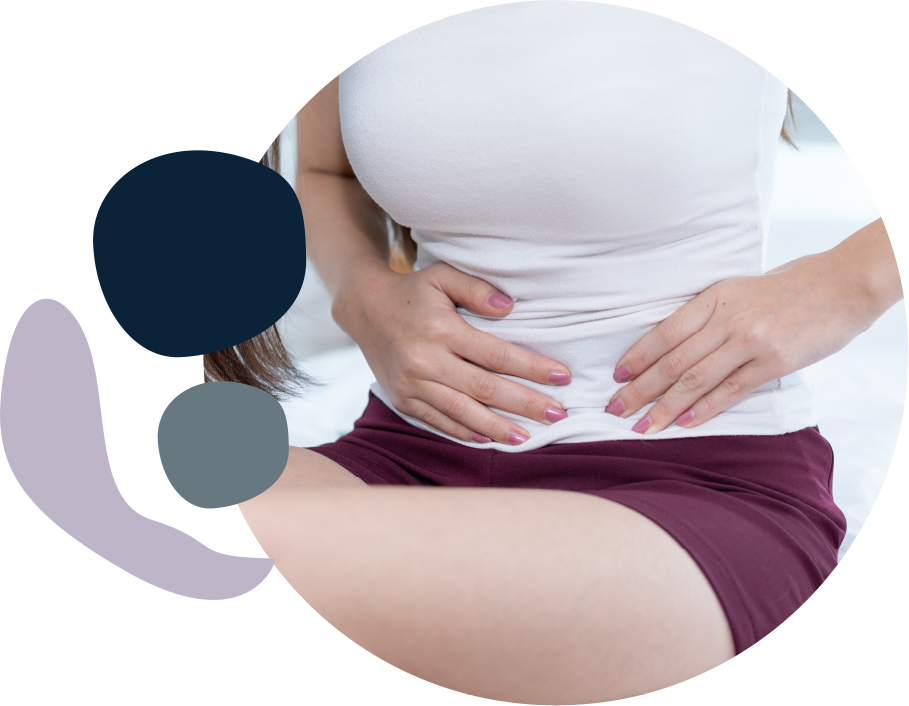
Treatment for pelvic pain depends on the underlying cause, the severity of your symptoms and whether fertility is also a priority. Dr Ritu will work with you to identify what is driving the pain and recommend the most appropriate treatment approach for your needs.
Pain relief and anti-inflammatory medications can help manage flare-ups, while hormonal treatments (such as the pill, hormonal IUD or other options) can reduce pain linked to the menstrual cycle. These are often a helpful starting point, particularly for pain associated with endometriosis or fibroids.
Many people with chronic pelvic pain benefit from working with a specialised pelvic floor physiotherapist. This can help release muscle tension, improve flexibility and reduce pain associated with intercourse, bowel movements or prolonged sitting.
For some conditions, such as endometriosis, fibroids or pelvic adhesions, laparoscopic surgery can both confirm a diagnosis and treat the underlying cause. This approach uses small incisions, allowing for a quicker recovery while addressing the source of pain directly.
Because pelvic pain can involve the bowel, bladder or musculoskeletal system as well as the reproductive organs, Dr Ritu may work alongside other specialists, such as physiotherapists, pain specialists or gastroenterologists, to ensure all contributing factors are addressed.