Female fertility refers to your ability to conceive and carry a pregnancy. Always changing as you do, it can be influenced by your age, hormones, ovulation, uterus and fallopian tube health, and underlying gynaecological conditions such as endometriosis or PMOS (formerly PCOS). If pregnancy is not happening as expected, carefully assessing these factors can help clarify what is going on and the steps that might help.
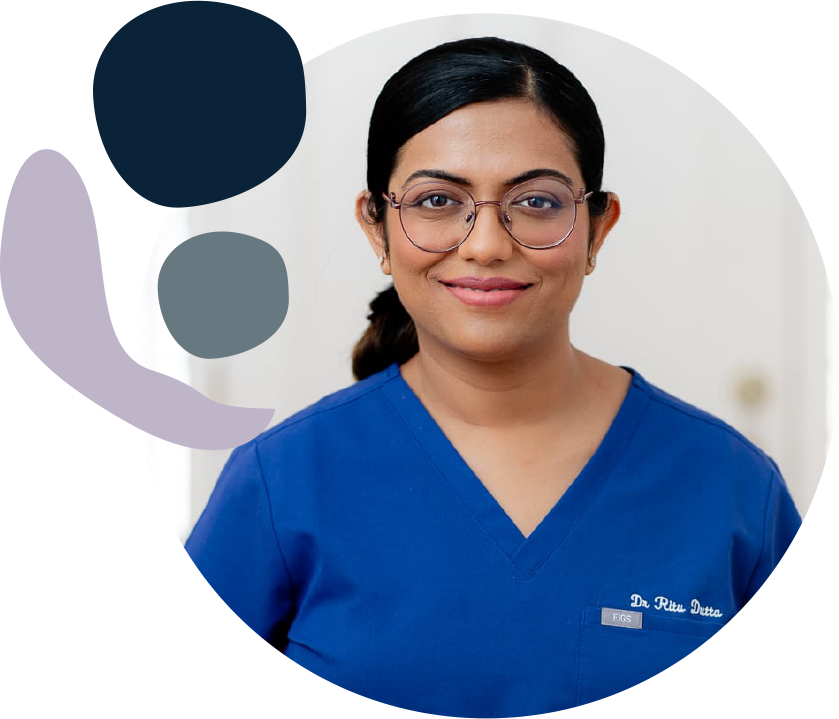
Dr Ritu takes the time to understand your history, symptoms, and goals before recommending investigations or treatment. With her calm demeanour, you will feel heard and supported throughout the process.

Diagnostic fertility tests for women can provide important insights into your reproductive health. Not every test will be necessary for everyone, so Dr Ritu will tailor investigations to your history, symptoms and goals.
The full range of female fertility tests may include:
Blood tests are commonly ordered to check hormone levels. This can provide an indicator of many different aspects of fertility, including your body’s ovulation cycle.
Ovarian reserve testing includes an anti-Müllerian hormone (AMH) blood test or antral follicle count via ultrasound. These tests provide an indication of how many eggs you have remaining but do not give information about the quality of these eggs.
Imaging tests such as pelvic ultrasound or hysterosonography are useful for examining your uterus, ovaries and fallopian tubes.
Hysteroscopy is a minimally invasive procedure using a thin camera passed through the cervix to look inside your uterus. Hysteroscopy may be used for both diagnosis and also simultaneous treatment for issues such as uterine polyps or fibroids.
Laparoscopy is a minimally invasive keyhole surgical technique. It has a wide range of diagnostic and therapeutic uses, such as for the definitive diagnosis of endometriosis and its surgical treatment.
There are several steps you can take to improve your natural fertility when trying to conceive.
Maintaining a healthy weight is beneficial for both conceiving and supporting pregnancy. Excess weight is known to upset hormone balance and affect ovulation, while also increasing risks during pregnancy.
A balanced, nutrient-rich diet can support hormone balance, your weight, fertility, and overall health. It is also important to keep up with regular physical activity, though be mindful that overly intense exercise can disrupt ovulation.
Smoking, alcohol and excessive caffeine intake can be detrimental to fertility in women. The current recommendations are to cease smoking completely, reduce or abstain from alcohol consumption, and limit caffeine to no more than 1-2 cups of coffee a day. It is also best to abstain from recreational drugs, which may affect egg quality.
Many different medical conditions can influence your fertility, even if they don’t seem directly related to the reproductive system. Gynaecological conditions such as PMOS/PCOS and endometriosis can be treated through medical or surgical means, while thyroid dysfunction and diabetes should also be well-managed to avoid impacting your fertility.
If you are taking regular medications and are having trouble conceiving, it would be worthwhile discussing your medications with Dr Ritu or your prescribing doctor. Some medications can interfere with fertility.
If you are aged under 35 years and have been trying unsuccessfully to conceive for at least 12 months, coming under the care of a fertility specialist can help you to understand your fertility and plot the way forward. If you are aged over 35 or have a known fertility-impacting condition, the recommendation is to seek specialist advice at an earlier stage.
Dr Ritu tailors her investigations and treatment plan according to your individual situation. Her care may involve:
In many cases, optimising your fertility through lifestyle changes or simply helping you to understand your cycles is enough to support natural conception. If Dr Ritu’s fertility assessment uncovers a treatable condition, she may manage this through:
Some conditions can be managed through medications, such as PMOS/PCOS or other conditions causing menstrual disturbances. Certain medication protocols can help you to conceive through inducing ovulation and or balancing hormone production.
Gynaecological disorders such as endometriosis, fibroids, polyps, pelvic adhesions (scarring) and other structural issues may need a surgical approach to treatment. Surgery can be performed hysteroscopically (through the cervix for problems in the uterus) or laparoscopically (through keyhole incisions in your belly).
When treating the underlying disorder doesn’t help with conception, or if no identifiable cause of infertility can be found, assisted reproduction through in vitro fertilisation (IVF), intrauterine insemination (IUI), or intracytoplasmic sperm injection (ICSI) may help.