Egg and sperm freezing are modern fertility interventions allowing you to preserve your fertility for the future. Maybe you aren’t ready to start a family or your fertility may be at risk due to medical treatment or other factors. No matter the reason, these options help improve your chances of success when you are ready to proceed down the pathway to parenthood.

Also known as oocyte cryopreservation, egg freezing is a method of storing your unfertilised eggs to allow for future fertility opportunities. Preserving your eggs while they are younger and potentially more viable may help you fall pregnant later on when natural conception may be more difficult.
Egg freezing involves six main phases:
Your initial appointment includes a review of your medical history, fertility goals, and any factors that may affect your response to treatment. Dr Ritu may recommend blood tests and a pelvic ultrasound to assess ovarian reserve, hormone levels, and overall reproductive health, then create a personalised treatment plan.
You will use daily self-injected hormone medications for around 10-12 days to encourage your ovaries to develop multiple eggs in one cycle. Developing more eggs can increase the number collected at retrieval, which may improve the chance of success. Common side effects may include bloating, mild abdominal discomfort, breast tenderness, mood changes, headaches, and bruising or redness at the injection site.
During stimulation, you will attend regular appointments for pelvic ultrasounds and blood tests to monitor follicle growth and hormone levels. These checks help your doctor adjust medication if needed and determine the best time for the final trigger injection, which prepares the eggs for retrieval.
Mature eggs are collected in a short procedure performed under anaesthesia or sedation for your comfort. A thin needle is guided through the vaginal wall using ultrasound imaging to gently draw the eggs out from the ovaries. Recovery is usually quick, with mild cramping, bloating, spotting, or drowsiness common for a day or two after the procedure.
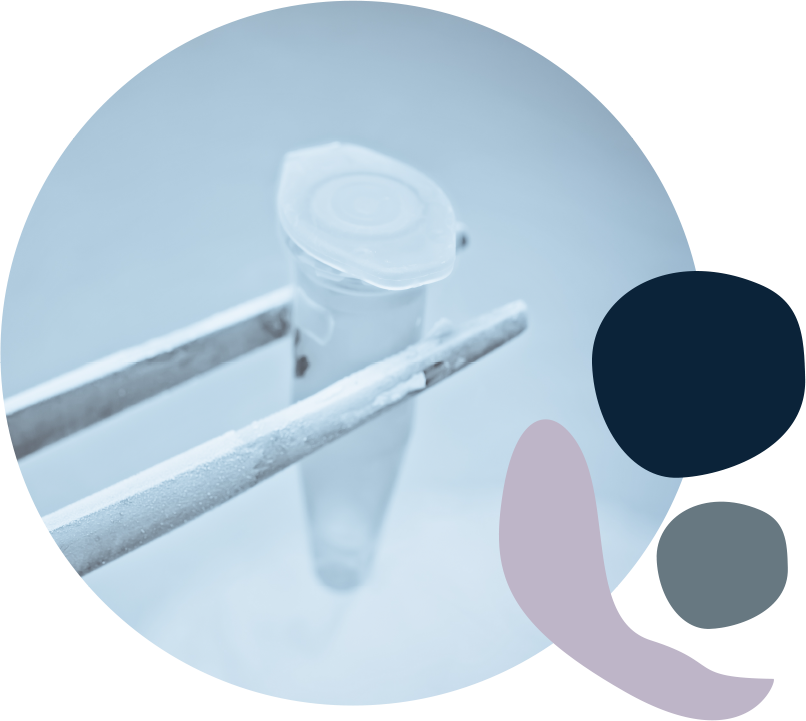
After retrieval, the eggs are rapidly frozen using a process called vitrification and stored in liquid nitrogen. This method helps protect egg quality for future use, when the eggs can be thawed, fertilised, and used in a future pregnancy attempt.
When you’re ready to try for a baby, the eggs are thawed, fertilised with sperm from your partner or a donor using either IVF or ICSI technology, and transferred to the uterus as embryos.
Sperm freezing (sperm cryopreservation or sperm banking), is the collecting, freezing, and storing of sperm to be used in fertility treatment at a later date. This is a common way for men to preserve their sperm whether for personal, medical or timing reasons.
Sperm freezing starts with collecting a sample in a discreet and private environment, either in an andrology suite at the Genea clinic or at home. The sample is then analysed, prepared, frozen in liquid nitrogen at -196°C, and stored until you are ready to use it.
At this temperature your sperm can remain viable for years and even decades. When you are ready, the sperm is thawed and used in fertility procedures such as intrauterine insemination (IUI), in vitro insemination (IVF) or introcytoplasmic sperm injection (ICSI).