Contraception prevents pregnancy and gives you control over when (or if) you start a family. There are several methods to choose from, and the best one depends on your health history, preferences, and how long you want protection.

Everyone is different, so you can choose between hormonal and non-hormonal contraception depending on your age, health history and lifestyle. Dr Ritu can help you weigh up the benefits and risks of each option.
Hormonal methods use synthetic oestrogen and/or progesterone to prevent pregnancy by stopping ovulation, thickening cervical mucus and thinning the uterine lining.
Taken daily, weekly or monthly, these often improve cycle regularity and reduce period pain and bleeding, and can help with PMOS/PCOS and endometriosis. Possible side effects include nausea, breast tenderness, mood changes, headaches and irregular bleeding, and there is a small increased risk of blood clots with some combined methods. They suit people who want cycle control and are comfortable with regular use.
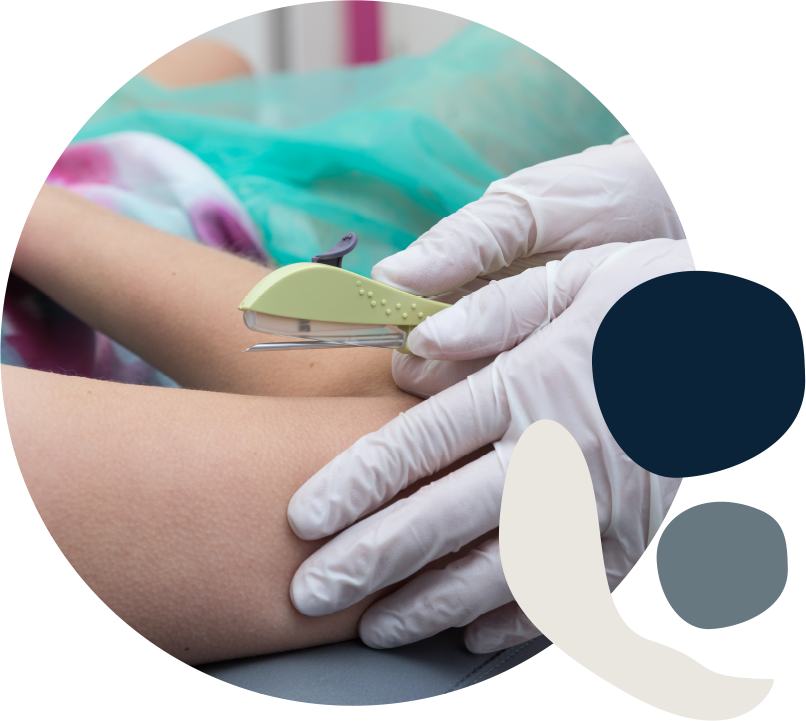
A small rod in the upper arm continuously releases progesterone. It is a very effective and “set-and-forget” solution but may cause irregular bleeding, acne or mood changes. A minor procedure is needed for insertion and removal, and the implant must be replaced every three years.
A small device in the uterus releases progesterone for three to eight years, depending on the type. It is very effective and often reduces heavy bleeding and pain, and can help with PMOS/PCOS and endometriosis. Early irregular bleeding or spotting is common, then periods usually become lighter or stop.
Non-hormonal methods prevent pregnancy without affecting your natural hormone cycle.
A hormone-free device that works for 10+ years by releasing copper ions that prevent fertilisation. It is very effective and can be used for emergency contraception. Conversely to hormonal IUDs, copper IUDs may cause periods to become heavier.
Used on-demand, condoms block sperm from entering the female’s reproductive tract. Effectiveness depends on correct and consistent use. Some people notice reduced sensation, and latex allergy is rare but possible. Other than abstaining from intercourse altogether, condoms are the only form of contraception that also provide protection against sexually transmitted infections (STIs).
A surgical procedure to permanently block the fallopian tubes. It is suitable only if you are certain you do not want any children in the future. Although tubal ligation reversal is possible, the reversal procedure is not guaranteed to be successful.
Long-acting reversible contraception (LARC) refers to contraceptive methods that provide highly effective, long-term pregnancy prevention without needing daily or monthly action. Once inserted, they work continuously for several years and can be removed at any time, with fertility returning quickly.
LARC methods include the contraceptive implant (placed under the skin of the upper arm) and hormonal or copper IUDs. All LARC methods are more than 99% effective at preventing pregnancy.
LARCs are particularly ideal for individuals who: